-
Sale!
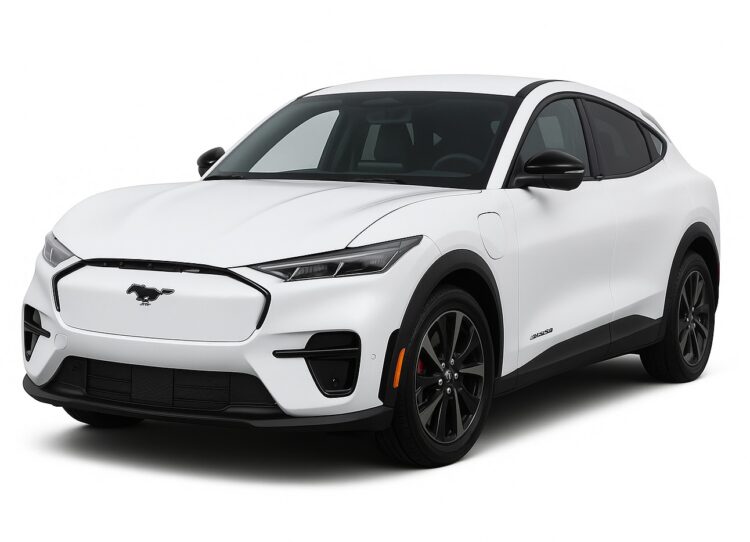
Ford Mustang Mach E 2024
$14,500.00Original price was: $14,500.00.$12,000.00Current price is: $12,000.00. Add to cart -
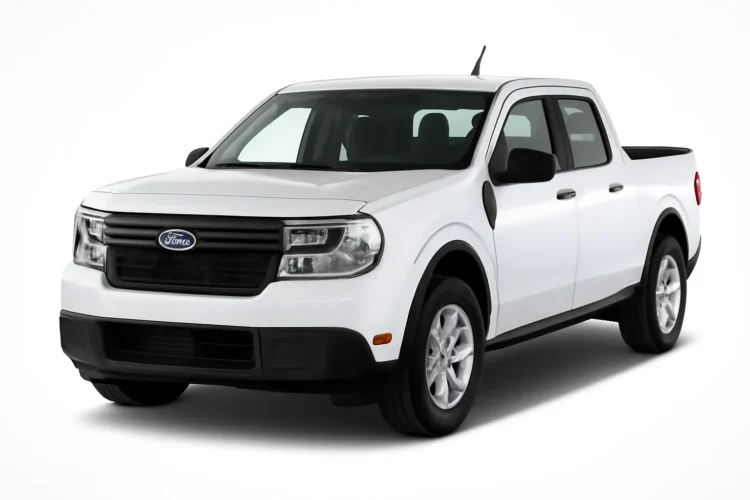
Ford Maverick 2022-2024, 36 Months Warranty
$3,499.00 Add to cart -

Ford Fusion 2013-2015 Hybrid Battery, New Generation Cells, 36 Months Warranty
$2,950.00 Add to cart -
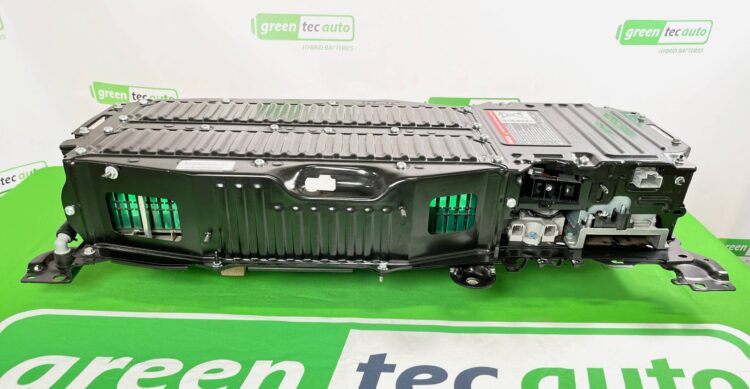
Ford C-Max Hybrid Battery Pack
$2,495.00 – $3,250.00Price range: $2,495.00 through $3,250.00 Select options This product has multiple variants. The options may be chosen on the product page
As electric vehicles continue to evolve, battery design has become one of the most important factors determining cost, longevity, and sustainability. In this teardown, Art from GreenTec Auto walks through the internal architecture of a 98.8 kWh Ford Mustang Mach-E battery, highlighting what makes this pack unique—especially when it comes to modularity, rebuildability, and reuse.
This article breaks down exactly what was covered in the video and explains why the Mach-E battery stands out compared to other EV platforms.
Overview of the Mach-E Battery Pack
The battery featured in the video is the extended-range 98.8 kWh Mach-E pack, which differs from the standard-range version in both layout and capacity. At a high level:
- The pack uses NMC (Nickel Manganese Cobalt) chemistry
- Each module contains four cells in parallel (4P)
- The number of cells in series varies by module type
- The pack is made up of three distinct module types
This modular structure is what enables easier repair and repurposing compared to many other EV battery packs on the market.
The Three Mach-E Module Types Explained
One of the most important takeaways from the teardown is that not all Mach-E modules are the same.
Module A and Module B (4P8S)
- Four cells in parallel, eight cells in series
- Identical in size and weight
- The only difference is polarity orientation (mirrored/reversed terminals)
- Each weighs 86.5 lbs
- Dimensions:
- Length: 21.25 in
- Width: 14.5 in
- Height: 5 in
- Length: 21.25 in
Module C (4P7S – Narrow Front Module)
- Four cells in parallel, seven cells in series
- Slightly smaller and narrower
- Designed to fit the tight front section of the vehicle
- Dimensions:
- Length: 19 in
- Width: 15.5 in
- Height: 5 in
- Length: 19 in
This smaller module allows Ford to maximize space usage in the front of the vehicle while maintaining energy density.
Why the Mach-E Battery Is Highly Repairable
Repairability is where the Mach-E pack really shines.
Unlike Tesla Model 3 and Model Y packs—where long cell strings often force replacement of large battery sections—the Mach-E uses shorter, modular strings. This allows technicians to:
- Remove and replace only the faulty module
- Preserve healthy modules
- Avoid scrapping large portions of the pack
This design is a major advantage for companies like GreenTec Auto that specialize in hybrid and EV battery repair, refurbishment, and recycling.
BMS Connections and Safety Best Practices
The teardown also highlights how the Battery Management System (BMS) interfaces with the modules:
- Voltage and temperature taps connect directly to each module
- Some front modules route connections differently due to packaging constraints
- Each module includes a sub-harness, making reuse in other applications significantly easier
A critical safety note emphasized in the video:
Always disconnect the BMS first before removing any modules. Leaving the BMS active while disconnecting modules can permanently damage it.
Second-Life and Aftermarket Applications
Because Mach-E vehicles are still relatively new, many of these modules are entering the market through salvage, surplus, or testing programs rather than end-of-life failures. Their configuration makes them ideal for second-life uses:
- Combining an 8S module + 7S module creates a 15S (~48V) system
- Ideal for:
- Golf carts
- Low-speed EVs
- Energy storage systems (ESS)
- Golf carts
- Two 8S modules can form a 16S system, though inverter compatibility must be verified
This flexibility is one reason Mach-E modules are already popular in aftermarket energy projects.
Cooling System and Serviceability
The Mach-E battery cooling system is also designed with serviceability in mind:
- Coolant tubes use quick-disconnect fittings
- The plastic coolant manifold is removable with four bolts
- Individual cooling components can be replaced without scrapping the pack
Additionally, the battery lid is gasket-sealed, not glued. This allows the pack to be opened and resealed—unlike some EV packs that are effectively sealed for life.
Thermal Interface and Reassembly Considerations
During module removal, the thermal interface material (TIM) is compromised. Before reinstallation:
- Modules must be fully cleaned
- Cooling plates must be cleaned
- New thermal interface material must be applied
This step is critical to restoring the battery to proper thermal performance and safety standards.
Final Takeaway: A Battery Built for Longevity
The Ford Mustang Mach-E battery represents a meaningful shift toward repair-friendly EV design. Its modular structure, accessible BMS connections, replaceable cooling components, and second-life flexibility make it one of the more practical modern EV battery systems on the market.
For repair specialists, recyclers, and second-life energy developers, this pack offers:
- Lower repair costs
- Less material waste
- More reuse opportunities
- Longer overall battery lifecycle
At GreenTec Auto, this kind of design is exactly what enables a circular approach to EV batteries—extend first, replace only when necessary, and recycle responsibly at the end.
If you’re interested in Mach-E battery modules, repair services, or second-life applications, this teardown provides a clear look at why this platform is built differently—and better—for the future of EV sustainability.