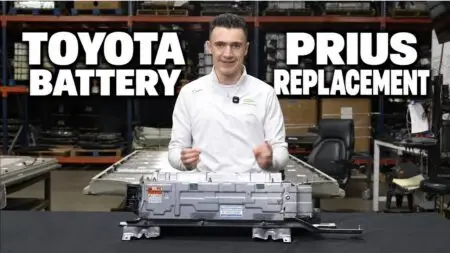
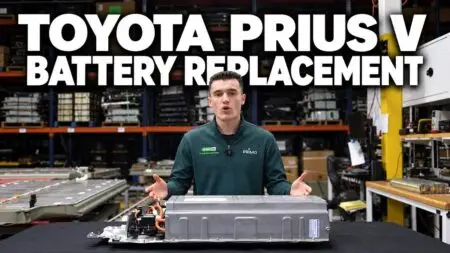
Do hybrid batteries need maintenance? Mostly no. Your hybrid manages its own battery automatically, and there is no scheduled service, no fluid to top up, and no charging routine to follow. But four things genuinely affect how that battery ages: how hard you accelerate, how you brake, whether the car gets used regularly, and whether the battery’s cooling intake stays clear.
That last one is the tip most owners have never heard, it costs nothing, and it is the single most useful thing in this guide.
If you drive a hybrid, you probably bought it for fuel economy, reliability, and efficiency. Toyota hybrids in particular have a reputation for lasting a long time, and the battery is designed to last for years. Here is what actually moves the needle on how it ages, and what you can safely stop worrying about.
In the conventional sense, no. There is no hybrid battery service interval, nothing to lubricate, and no charging procedure for the owner to manage. The high-voltage pack is sealed, and the vehicle’s computer handles charge and discharge on its own.
What does exist is a short list of conditions that affect how quickly the cells degrade. Heat leads that list by a wide margin. Everything useful in hybrid battery maintenance comes back to keeping the pack cool and using the car the way it was designed to be used.
So the honest version of hybrid battery care is not a maintenance schedule. It is three driving habits and one thing to physically check.
A hybrid battery pack is built from individual modules, and inside each module sit multiple cells that store and release energy. The chemistry inside those cells breaks down over time, and elevated temperature accelerates that breakdown.
This is why climate matters so much. A hybrid driven in Arizona, Texas, Florida, or inland California will generally see faster degradation than the same car in a cooler region, even with identical driving. It is also why the cooling system, covered further down, deserves more attention than it usually gets.
Understanding that heat is the mechanism makes the rest of this guide easier to apply. Every habit below either reduces the heat the pack generates or helps it shed that heat more effectively.
There are obviously times when you need to accelerate quickly, like merging onto the highway or getting up to speed in traffic. Your car is designed to handle that. The issue is constantly flooring the accelerator and demanding maximum power when the situation does not call for it.
Your gasoline engine and electric motor work together. When you accelerate aggressively, the electric motor may need to deliver significant power in a very short window, and whenever you move a lot of energy through a battery quickly, heat becomes a factor.
What to do instead: when traffic allows, accelerate smoothly and progressively. You do not need to drive slowly, baby the car, or stay under the speed limit to protect the battery. Simply avoid repeated bursts of maximum acceleration when they are not needed. Instead of flooring it at every stoplight, roll into the throttle and let the engine and electric motor work together.
You still get where you are going. You are just avoiding unnecessary demands on the hybrid system. Over thousands of drives, that adds up.
In a conventional vehicle, most of the energy created when you slow down is lost as heat through the brakes. A hybrid can recover some of it. As the vehicle slows, the motor acts as a generator, converting some of the car’s movement into electricity and sending it back into the battery pack.
This is where your habits matter most. Most people wait until the last second to brake. They see a red light, keep driving toward it, then hit the brakes hard.
What to do instead: when conditions allow, anticipate your stops. If you see a red light or a line of traffic ahead, lift off the accelerator earlier and let the car begin slowing sooner. That gives the hybrid system more time and more opportunity to recover energy through regenerative braking.
There is a second benefit. You reduce how much work your conventional friction brakes have to do, which is one reason hybrid brake pads often last longer than those on a comparable gas car.
Treat the brake pedal as something other than an on-off switch. Look further ahead, anticipate traffic, and let the vehicle slow smoothly. You improve efficiency, likely reduce brake wear, and make better use of technology already built into the car.
Here is the part that matters most, and the part most “battery tips” articles get wrong.
Your hybrid is already designed to manage its battery automatically. Unlike a phone, the high-voltage battery in most hybrids is not charged and discharged across its entire physical capacity. The vehicle’s computer deliberately keeps the pack inside a narrower operating range, never filling it completely and never running it down completely, specifically to protect the cells.
That design decision is doing most of the work for you. Your usage patterns still matter at the margins, though.
Constantly taking very short trips means the vehicle has less opportunity to warm up and operate under normal conditions. If nearly every drive is a few minutes long, the system rarely reaches its efficient operating state.
Driving down a mountain for an extended stretch lets the hybrid recover a lot of energy through regenerative braking, which is useful. Eventually, though, the battery can approach the upper end of its normal operating range, and the vehicle adjusts how it manages that energy. This is expected behavior, not a fault.
Letting a hybrid sit unused for weeks or months is its own consideration. If you are storing the vehicle for an extended period, follow the manufacturer’s recommendations for your specific model, since storage guidance differs between hybrids. In general, regular use suits a hybrid pack better than long stretches of sitting.
The takeaway: do not obsess over the battery gauge. Your hybrid is built to handle these situations. The system works best when you use the vehicle as intended rather than repeatedly pushing it to unnecessary extremes.
This is the one piece of genuine hands-on hybrid battery maintenance, and it is the item we raise most often with owners at Greentec Auto.
Your hybrid battery generates heat, and the vehicle has a cooling system designed to manage its temperature. Depending on the vehicle, the cooling intake is commonly located around the rear passenger area, often near or behind the rear seat.
Here is the problem: that intake gets blocked. A bag, a jacket, dust, dirt, or especially pet hair can restrict airflow and make it harder for the system to cool the pack. If the battery cannot cool properly, elevated temperatures become a concern over time. And since heat is the primary driver of cell degradation, a blocked intake works directly against the thing that matters most.
Take a few minutes to locate your vehicle’s battery cooling intake. Check your owner’s manual, since the exact position varies between models. Once you know where it is:
This costs nothing, takes very little time, and directly addresses the single biggest factor in hybrid battery longevity.
Plenty of hybrid battery advice online amounts to micromanagement. To be clear about what is not required:
Your hybrid was engineered to be driven normally. The goal is avoiding unnecessary extremes, not changing how you drive.
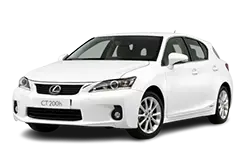
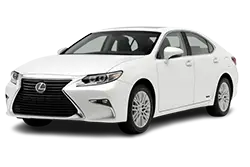
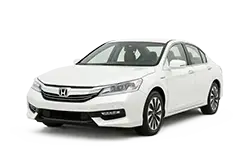
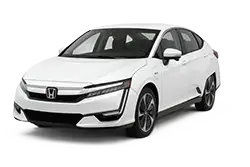
The principles are the same across hybrid makes. Toyota, Lexus, Honda, Ford, Kia, and Hyundai hybrids all use a high-voltage pack that generates heat, relies on cooling, and is managed automatically by the vehicle.
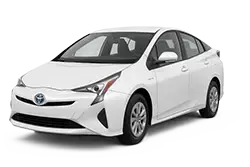
What differs between models is the specific location of the battery and its cooling intake, and whether the vehicle has a serviceable filter. A Toyota Prius, a RAV4 Hybrid, a Lexus ES 300h, and a Ford Fusion Hybrid each place the pack differently. Check your owner’s manual for your specific model rather than assuming a layout you saw for another car applies to yours.
Good habits extend a battery’s life. They do not make it permanent. Every hybrid battery eventually reaches the end of its service life, and when it does, warning lights appear on the dashboard.
If you wake up, start your car, and see hybrid system warning lights, or if that is your situation right now, the useful next step is a proper diagnosis rather than a guess. Warning lights can point to the high-voltage pack, but they can also come from a cooling fan, a sensor, the 12-volt battery, or another component, and those are far cheaper to address.
Greentec Auto specializes in hybrid and EV battery replacement, with more than a decade of experience and more than 30 locations across the United States, Canada, and the United Kingdom. Diagnostics are free, so finding out what is actually going on costs you nothing. If a replacement does turn out to be needed, mobile installation is available in many areas, with a technician coming to your driveway.
Book a free hybrid battery diagnostic, or check your year and model for battery replacement pricing.
Not in the traditional sense. There is no service interval, no fluid to change, and no charging routine for the owner. The vehicle manages the battery automatically. The one hands-on item worth doing is keeping the battery cooling intake clear of dust, debris, pet hair, and cargo, since blocked airflow lets the pack run hotter and heat is what ages the cells fastest.
Focus on four things: avoid unnecessary repeated hard acceleration, anticipate your stops so regenerative braking can recover more energy, use the car regularly rather than letting it sit for months, and keep the battery cooling intake clear. Beyond that, the vehicle’s computer handles the battery on its own.
Keep it cool and use the car normally. Heat is the biggest factor in how quickly hybrid cells degrade, so maintaining clear airflow to the cooling intake matters more than any driving technique. Smooth acceleration and earlier braking help as well, but you do not need to drive slowly or baby the vehicle.
It is commonly around the rear passenger area, often near or behind the rear seat, though the exact location varies by make and model. Check your owner’s manual for your specific vehicle. Some models also have a filter with its own cleaning or replacement procedure.
No. Hybrids deliberately keep the battery inside a narrower operating range rather than using its full physical capacity, specifically to protect the cells. The gauge moving up and down is the system working as designed, not something to manage.
Occasional hard acceleration is fine, and your car is built for it. The concern is repeated maximum-power bursts when they are not needed, because moving large amounts of energy through the pack quickly generates heat. Smooth, progressive acceleration when traffic allows reduces that unnecessary load.
Extended periods of sitting are generally less ideal than regular use. If you are storing a hybrid for a long stretch, follow the manufacturer’s storage recommendations for your specific model, since guidance varies between vehicles.
The principles are the same for Toyota, Lexus, Honda, Ford, Kia, and Hyundai hybrids. What differs is where the battery and its cooling intake sit, and whether there is a serviceable filter. Check your owner’s manual rather than applying another model’s layout to your car.
*Offer cannot be combined with other promotions.
We use cookies and similar technologies to operate the website, understand how it is used, and support advertising. Optional analytics and marketing technologies will not be activated unless you give your consent. You can accept all, reject non-essential technologies, or manage your preferences. You can change your choices at any time.
Global Privacy Control has been detected. Advertising sale/share choices are disabled where configured.