-
Sale!
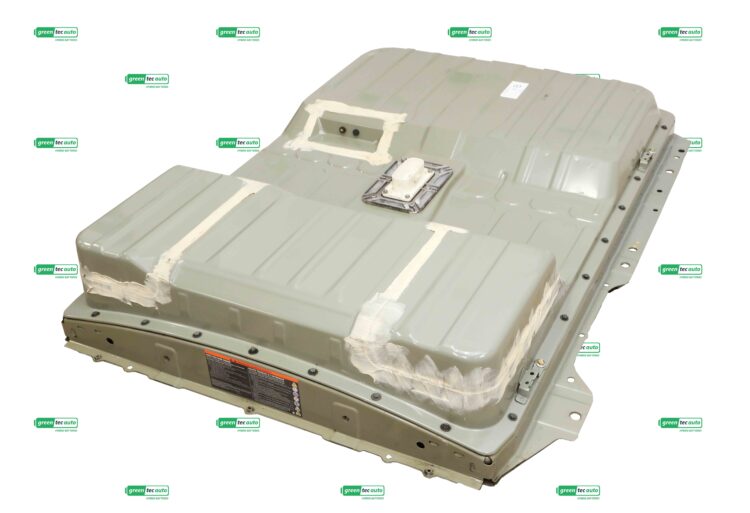
Nissan Leaf Battery Pack 2011 – 2012
Rated 5.00 out of 5$4,499.00 – $6,499.00Price range: $4,499.00 through $6,499.00 Select options This product has multiple variants. The options may be chosen on the product page -
Sale!
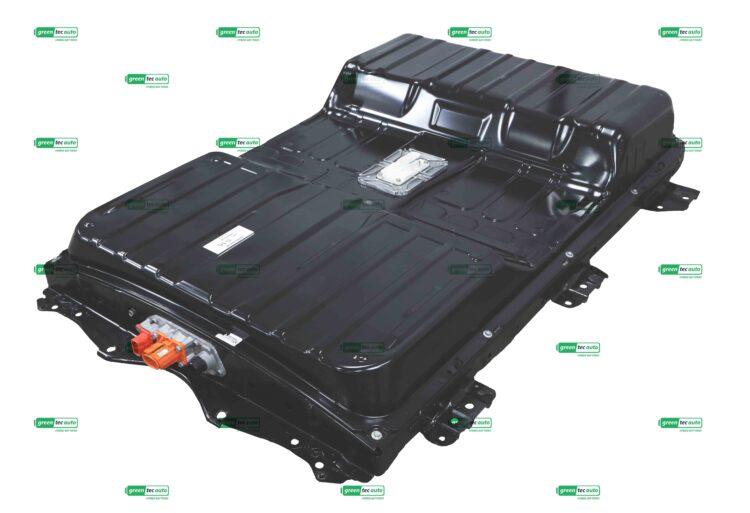
Nissan Leaf Battery Pack 2013 – 2015
Rated 4.60 out of 5$4,499.00 – $14,499.00Price range: $4,499.00 through $14,499.00 Select options This product has multiple variants. The options may be chosen on the product page
The Nissan Leaf battery is one of the most important components of the vehicle—and also the biggest reason most Leaf owners eventually need expert service. Whether you drive a 2011–2012 Nissan Leaf or a 2013–2015 Nissan Leaf, understanding your Nissan Leaf battery replacement options, Nissan Leaf battery cost, Nissan Leaf battery upgrade paths, and Nissan Leaf second-life battery applications is essential for extending the life, range, and value of your EV.
This comprehensive 2025 guide covers everything:
- Battery specs for 2011–2015 Nissan Leafs
- Range expectations
- Pricing tables for all battery sizes
- Warranty details
- CAN-Bridge behavior (Gen 1 & Gen 2)
- Second-life battery applications
- Definitions (SoH, Ahr, Hx, QC, L1, L2)
- Complete installation process
- Why Greentec Auto is the #1 Nissan Leaf battery replacement provider in the U.S.
Why Nissan Leaf Batteries Degrade Faster Than Other EVs
The Nissan Leaf is beloved for being simple, efficient, and affordable—but one engineering choice dramatically affects long-term battery life:
No Thermal Management System (TMS): The Biggest Reason Nissan Leaf Batteries Degrade Faster
One of the most important—and least understood—engineering limitations of the Nissan Leaf battery is the complete absence of an active Thermal Management System (TMS).
A TMS is what allows most modern EV batteries to heat or cool themselves to maintain safe operating temperatures.
Tesla, Chevrolet Bolt, Hyundai Kona, BMW i3, and most EVs on the market use liquid cooling loops, heat exchangers, thermal pumps, or active heating elements to protect the battery during extreme temperatures.
The Nissan Leaf battery, however, is passively cooled.
This means it relies only on ambient air, which provides no meaningful temperature control during hot summers or cold winters.
In hot climates (CA, AZ, TX, FL, NV, NM):
When outside temperatures reach 90–115°F, the Nissan Leaf battery cannot cool itself. This causes:
- Battery overheating
- Accelerated internal chemical breakdown
- Faster permanent degradation
- Sudden loss of range
- Heat-related stress on the anode and cathode materials
Owners in hot states consistently report the quickest bar loss, often dropping below 9–10 capacity bars within only a few years.
This is why Nissan Leafs in Arizona and Nevada are among the most common vehicles we service for Nissan Leaf battery replacement.
In cold climates (Canada, Midwest, Northeast):
Extreme cold impacts the Leaf battery in a different way. Without a heating system, the battery:
- Becomes extremely cold-soaked
- Temporarily loses capacity and power output
- Charges significantly slower
- Shows dramatically reduced range in winter months
Below-freezing temperatures cause the internal resistance of the battery to increase, reducing efficiency and slowing chemical activity.
While cold weather degradation is usually reversible, efficiency and range performance remain poor without active thermal support.
Why Lack of TMS Causes Faster Overall Battery Wear
Temperature is the #1 factor that determines lithium-ion battery lifespan.
A battery that is regularly exposed to:
- Heat above 90°F
- Cold below 32°F
- High charge rates while hot
- Parked outside in extreme sun
…will degrade at a much faster rate.
Because the Nissan Leaf battery cannot regulate its own temperature, it is far more vulnerable to:
- Capacity bar loss
- Voltage imbalance
- Long-term chemical breakdown
- Premature battery failure
This is why Nissan Leaf batteries typically degrade faster than EVs like:
- Tesla (liquid-cooled)
- Chevy Bolt (liquid-cooled)
- Hyundai Kona Electric (liquid-cooled)
- Kia Niro EV (liquid-cooled)
- VW ID.4 (liquid-cooled)
All of those vehicles actively maintain the battery between optimal temperature ranges, typically 65°F–90°F.
The Nissan Leaf does not.
2011–2012 Nissan Leaf Battery Packs (Gen 1)
The 2011–2012 Nissan Leaf battery uses the original first-generation module design.
These early packs degrade the fastest and are the most commonly replaced today.
24 kWh Nissan Leaf Battery (2011–2012)
Technical Specs
- Re-manufactured with ≥ 70% SoH modules
- Real-world range: 55–65 miles
- Energy economy: ~3.5 mi/kWh
- Reset to full 12 capacity bars, but 2–4 bars will drop quickly
Warranty
- 24-month workmanship warranty, unlimited mileage
- 6-month / 11,000-mile range warranty (no more than 4 bar loss*)
- Warranty void if more than one QC (fast charge) per month is used
Pricing Table — 2011–2012 Nissan Leaf
| Battery Size | Price | SoH | Real-World Range | Warranty |
| 24 kWh | $4,499 | ≥ 70% | 55–65 miles | 24-mo workmanship, 6-mo range |
| 40 kWh | $7,999 | ≥ 85% | 100–130 miles | 36-mo workmanship, 12-mo range |
2011–2012 40 kWh Nissan Leaf Battery Upgrade
A 40 kWh swap into a Gen 1 Leaf is the most popular upgrade.
Technical Specs
- Re-built with ≥ 85% SoH modules
- 100–130 mile range
- Reset to full 12 bars (1–2 bars drop quickly)
- CAN-Bridge required for compatibility
Warranty
- 36-month workmanship warranty, unlimited mileage
- 12-month / 20,000-mile range warranty, no more than 3 bars lost
Gen 1 CAN-Bridge Side Effects (Important)
Owners MUST understand this section because it is the #1 source of support emails.
CAN-Bridge Behaviors for 2011–2012 Leafs
- Charge display will not decrease until original range is reached
- After full charge, one bar may appear missing
- During charging, only one blue dash light blinks, the others stay inactive
- Range (GOM) does not update unless unplugged
- “Turtle Mode” may appear below 30 miles or when hot
- Range recalculates every time the car is turned off
- Range starts high and becomes more accurate as it drops
These are normal behaviors—not defects.
2013–2015 Nissan Leaf Battery Packs (Gen 2)
The second-generation 24 kWh Leaf battery improved thermal performance slightly through chemistry changes, but still lacks TMS.
Most 2013–2015 owners seek a Nissan Leaf battery upgrade to 40 kWh.
2013–2015 24 kWh Nissan Leaf Battery
Technical Specs
- Re-built with ≥ 70% SoH modules
- Real-world range: 55–65 miles
- Can drop to 8 bars after reset
- Better efficiency than 2011–2012 packs
Warranty
- 24-month workmanship warranty, unlimited mileage
- 6-month / 11,000-mile range warranty
Pricing Table — 2013–2015 Nissan Leaf
| Battery Size | Price | SoH | Real-World Range | Warranty |
| 24 kWh | $4,499 | ≥ 70% | 55–65 miles | 24-mo workmanship, 6-mo range |
| 40 kWh | $7,999 | ≥ 85% | 100–130 miles | 36-mo workmanship, 12-mo range |
| 62 kWh | $12,499 | Price varies by SoH | 200–240 miles | 36-mo workmanship, 18-mo range |
2013–2015 40 kWh Nissan Leaf Battery Upgrade
This is the #1 most recommended upgrade in the entire Nissan Leaf community.
Technical Specs
- Built with ≥ 85% SoH Gen 3 modules
- Real-world range: 100–130 miles
- Range reset to 12 bars (1–2 bars will drop fast—normal)
- Optional CAN-Bridge
- Compatible with all 2013–2015 models
Warranty
- 36-month workmanship warranty
- 12-month / 20,000-mile range warranty (no more than 3 bar loss*)
2013–2015 62 kWh Nissan Leaf Battery Upgrade
This is the premium upgrade for owners wanting long-distance capability.
Technical Specs
- 200–240 mile range
- LeafSpy report included (Ahr, SoH, Hx, QC, L1, L2)
- Uses original Nissan Leaf modules
- Built with ≥85% SoH modules (price based on actual SoH)
- Bridge + spacers installed
- Rear springs & splash guards included
Warranty
- 36-month workmanship warranty, unlimited mileage
- 18-month / 40,000-mile range warranty, no more than 3 bar loss*
Warranty Conditions
Quick-Charging Policy (QC):
Warranty void if customer performs more than 1 DC fast charge per month.
QC overheats the pack and is the fastest way to degrade a Leaf battery.
Workmanship vs Range Warranty
- Workmanship covers installation & module failure
- Range warranty covers bar loss
Typical Warranty Length
- 24–36 months
- Unlimited mileage
Definitions
| Term | Meaning |
| SoH | State of Health — % of original capacity remaining |
| Ahr | Amp-hours — raw remaining capacity measurement |
| Hx | Internal resistance — lower = worse battery health |
| QC | Quick Charge — DC fast charging that overheats packs |
| L1 | 120-V charger (wall outlet) |
| L2 | 240-V EVSE (home or public) |
Nissan Leaf Second-Life Battery Applications
After battery replacement, removed modules still hold 70% or more capacity. These become Nissan Leaf second-life batteries.
Common Uses
1. Home Energy Storage Systems (Second-Life Nissan Leaf Batteries)
One of the most popular and practical uses for Nissan Leaf second-life batteries is residential home energy storage. Because Nissan Leaf battery modules retain significant usable capacity even after being removed from the vehicle, they offer a reliable, affordable alternative to expensive storage solutions like Tesla Powerwall or LG Chem.
How It Works
In many states, electricity pricing changes based on the time of day.
This is called Time-of-Use (TOU) pricing.
Typical TOU structure:
- Nighttime / Off-Peak: as low as 2¢ per kWh
- Daytime / Peak Hours: 15–20¢ per kWh (sometimes even 25–35¢ depending on the utility)
A Nissan Leaf home battery storage system allows homeowners to:
- Charge the battery at night when electricity is cheap
- Power their home during the day using stored energy instead of expensive grid electricity
This drastically reduces the household’s electric bill because you’re effectively buying electricity at 2 cents and using it at 20 cents.
Real-world Cost Savings
Customers who install Nissan Leaf second-life battery systems typically see:
- Electric bills reduced to $10–$15 per month
- Power consumption shifted almost entirely to off-peak
- Significant savings during summer (air conditioning season)
For homes with solar panels:
- Leaf battery modules store excess solar energy during the day
- This energy can be used at night or during peak-price hours
- In many cases, owners achieve near net-zero electricity cost
Why Nissan Leaf Modules Are Perfect for Home Storage
Nissan Leaf battery modules offer several advantages for stationary storage:
1. Proven long-term durability
Once a Leaf module reaches ~70% State of Health (SoH), it typically stays between 65–70% for many years.
This stability makes it ideal for fixed home systems that charge and discharge daily.
2. High energy density at a low cost
Leaf modules offer far better price-per-kWh than commercial systems.
A DIY or professional system using second-life Leaf modules can cost 1/4 the price of a Tesla Powerwall.
3. Easily stackable & modular
Leaf modules are compact and flat, allowing:
- Custom rack configurations
- Scalable storage capacity
- Easy integration into battery banks
Users often build 5 kWh, 10 kWh, 15 kWh, or even 30+ kWh home systems.
4. Compatible with inverter systems
With the right Battery Management System (BMS) and inverter compatibility (sold by Greentec Auto), Leaf modules can be integrated into:
- Off-grid cabins
- Solar homes
- Backup generators
- Energy arbitrage systems
- Farm and workshop power supplies
5. Environmentally sustainable
Using second-life Nissan Leaf batteries reduces:
- Battery waste
- Mining demand
- Environmental impact
It extends the lifespan of the modules before they eventually enter recycling—closing the loop.
Common Use Cases
- Homes with high daytime power usage
- Solar homes wanting nighttime storage
- RVs and off-grid cabins
- Emergency backup power
- Small commercial buildings
- Remote job sites
- Workshops and garages
2. EV Conversions Using Nissan Leaf Second-Life Battery Modules
Another rapidly growing use for Nissan Leaf second-life batteries is the world of EV conversions—turning gasoline-powered vehicles, classic cars, or recreational machines into fully electric systems. Nissan Leaf battery modules are one of the most popular choices among DIY builders and professional conversion shops because they deliver an ideal mix of energy density, safety, affordability, and reliability.
EV conversions are no longer a niche hobby they’re becoming a mainstream movement, and Nissan Leaf modules are at the center of it.
Why Nissan Leaf Modules Are Perfect for EV Conversions
Nissan Leaf battery modules have several characteristics that make them highly desirable for conversion projects:
1. Excellent power-to-weight ratio
Each module is compact, relatively lightweight, and capable of providing high discharge currents—perfect for powering electric motors used in conversions.
2. Proven reliability
Even after years of use in a vehicle, Leaf modules maintain steady performance. Their chemistry is well-understood in the EV community, and they have a long track record of success.
3. Affordable and available
Compared to Tesla modules or custom pack builds, Nissan Leaf second-life batteries offer exceptional value without sacrificing performance. This makes them accessible for hobbyists and commercial conversion shops alike.
4. Modular and stackable
Leaf modules are physically simple to configure. Builders can combine them in:
- Series for higher voltage
- Parallel for higher capacity
- Mixed arrays for custom pack sizes
This flexibility makes them ideal for projects of all sizes.
5. Safe lithium chemistry (LiMn2O4 / NMC blend)
Leaf modules use a stable lithium chemistry that is less prone to thermal runaway than some high-performance cells. This makes them a safer option for DIY builders without industrial cooling systems.
Types of EV Conversions Using Nissan Leaf Modules
1. Classic Car Conversions
These are among the most popular builds. Enthusiasts take vintage vehicles like:
- VW Beetles
- VW Bus/Type 2
- Datsun 240Z
- Porsche 911
- Ford Mustang
- Chevrolet pickup trucks
…and replace the internal combustion engine with an electric motor powered by Leaf modules.
Benefits:
- Quiet, smooth driving
- Instant torque
- Modern reliability
- Zero emissions
- Massive improvement in drivability
Leaf modules offer enough capacity and discharge current to give classic cars 80–150 miles of range, depending on pack size.
3. Material Recovery & Recycling (Closing the EV Battery Loop)
While many people understand the value of Nissan Leaf battery replacement and second-life batteries, far fewer know what happens after a battery reaches the end of its usable life.
Contrary to the myth that EV batteries “end up in landfills,” Greentec Auto plays a critical role in building a circular, sustainable battery lifecycle through advanced material recovery and recycling.
When a Nissan Leaf battery can no longer be used for driving or home energy storage, it still contains valuable raw materials that can be reclaimed, reprocessed, and transformed into new batteries. Greentec Auto ensures none of these batteries go to waste.
♻️ What Greentec Auto Recovers From Nissan Leaf Batteries
Every end-of-life Nissan Leaf battery contains materials that are essential for modern battery manufacturing. Greentec Auto recycles and recovers:
• Lithium
A vital component used in the cathode and electrolyte of lithium-ion batteries.
Recovered lithium can be reprocessed and used to manufacture new EV batteries, reducing the need for mining.
• Nickel
Nickel increases energy density, helping EVs achieve greater range.
Recycled nickel can be directly reintroduced into the battery supply chain.
• Copper
Copper is used in wiring, busbars, and current collectors.
Recovered copper is highly valuable and easy to reuse in new electrical components.
• Aluminum
Leaf battery packs contain large aluminum housings, rails, plates, and support structures.
Aluminum is infinitely recyclable and significantly reduces CO₂ emissions when reused.
Why EV Battery Recycling Matters
Battery recycling is one of the most important elements of the clean energy transition.
Here’s why it matters:
1. Reduces the need for mining
Mining raw materials like lithium and nickel requires:
- Heavy machinery
- Energy-intensive processes
- Environmental impact
Recycling reduces mining demand and helps preserve natural resources.
2. Cuts manufacturing emissions
Recycling aluminum, copper, lithium, and nickel uses far less energy than extracting new materials.
This directly lowers the carbon footprint of future battery production.
3. Keeps hazardous materials out of landfills
EV batteries contain chemicals that require responsible handling.
Greentec Auto ensures safe disassembly, discharge, and material recovery.
4. Supports the EV industry’s circular economy
Recovered materials re-enter the supply chain and help manufacture:
- New Nissan Leaf batteries
- New EV modules
- Energy storage systems
- Battery components for future vehicles
This creates a loop where old batteries help build new batteries.
5. Makes EVs more sustainable long-term
Recycling is the final step in the lifecycle of a Nissan Leaf battery:
Vehicle → Refurbished → Second-Life Storage → Recycling & Material Recovery
Greentec Auto closes the loop by ensuring every battery is used to its maximum potential before safely reclaiming its materials.
Greentec Auto’s End-of-Life Battery Recycling Process
Here is how Greentec Auto handles end-of-life Nissan Leaf batteries:
1. Safe Discharge
All battery modules are fully discharged to safe voltage levels.
This prevents thermal events and ensures safe handling.
2. Disassembly
Technicians remove:
- Modules
- Busbars
- Wiring
- Thermal components
- Aluminum casings
Everything is sorted for material recovery.
3. Material Separation
Using specialized recycling partners, materials are separated by type:
- Copper wiring
- Aluminum housings
- Steel fasteners
- Lithium-ion cell compounds
- Nickel-rich cathodes
Each material goes to a dedicated processing stream.
4. Chemical Recovery
Advanced recyclers extract:
- Lithium carbonate
- Nickel sulfate
- Manganese
- Cobalt traces
These can be refined and reintroduced into new battery manufacturing.
5. Circular Re-Use
All recovered materials are sent back into the supply chain, contributing to:
- New Nissan Leaf batteries
- New EV battery cells
- Energy storage modules
- Industrial components
Nothing is wasted.
Bottom Line: Greentec Auto Helps Build a Sustainable Battery Future
By recycling lithium, nickel, copper, aluminum, and other critical materials, Greentec Auto ensures every Nissan Leaf battery completes a full circular lifecycle:
First Life (in the car) →
Second Life (home storage & EV conversions) →
Final Life (material recovery & recycling) →
New EV batteries
This approach:
- Reduces environmental impact
- Lowers manufacturing emissions
- Strengthens the domestic battery supply chain
- Makes EV ownership more sustainable
Greentec Auto isn’t just replacing Nissan Leaf batteries —
we’re helping build the future of circular EV battery manufacturing.
Nissan Leaf Battery Replacement Process
Whether upgrading or replacing, install procedure is nearly identical.
Step-by-Step Installation
- Disconnect 12-V battery
- Lift vehicle
- Remove underbody panels
- Unbolt HV battery
- Lower pack on lift
- Install replacement pack
- Reconnect HV cables
- Program BMS + CAN
- Perform 2–3 cycle tests
Installation is done exclusively in-shop by certified technicians.
Mobile installation is not offered for Leaf batteries due to high-voltage risk.
Nissan Leaf Battery Cost (Full Summary)
Complete Pricing Table (All Years & Upgrades)
| Model Years | Battery Size | Price | Real-World Range | SoH | Warranty |
| 2011–2012 | 24 kWh | $4,499 | 55–65 mi | ≥70% | 24/6 months |
| 2011–2012 | 40 kWh | $7,999 | 100–130 mi | ≥85% | 36/12 months |
| 2013–2015 | 24 kWh | $4,499 | 55–65 mi | ≥70% | 24/6 months |
| 2013–2015 | 40 kWh | $7,999 | 100–130 mi | ≥85% | 36/12 months |
| 2013–2015 | 62 kWh | $12,499 | 200–240 mi | varies | 36/18 months |
This table is highly extractable by Google’s AI Overview and Featured Snippets.
Why Greentec Auto Is the #1 Nissan Leaf Battery Provider in the U.S.
- 13+ years specializing only in hybrid & EV batteries
- Over 240 battery types in stock
- 34 nationwide locations
- Only original Nissan Leaf modules used
- No dangerous overseas retrofit kits
- Nationwide in-shop installation
- Professional testing & diagnostics
- Strongest warranty options available
- Full support for upgrades + CAN-Bridge
Greentec Auto is the most experienced and trusted provider of Nissan Leaf battery replacement and Nissan Leaf battery upgrades in America.
Frequently Asked Questions
1. How much does a Nissan Leaf battery replacement cost?
Between $4,499 and $12,499, depending on battery size and upgrade.
2. What is the best Nissan Leaf battery upgrade?
The 40 kWh upgrade for price-to-range,
The 62 kWh upgrade for long-range capability.
3. Can old Nissan Leaf batteries be reused?
Yes — as Nissan Leaf second-life batteries for solar storage and EV conversions.
4. Do Nissan Leafs have thermal management systems?
No.
This is the #1 reason Nissan Leaf batteries degrade faster than other EVs.
5. How long does installation take?
Typically 1–3 hours, plus programming and cycle testing.
Conclusion: Nissan Leaf Battery Replacement in 2025
Whether you own a 2011–2012 Nissan Leaf or a 2013–2015 Nissan Leaf, upgrading or replacing your Nissan Leaf battery is the single best way to:
- Restore range
- Improve reliability
- Increase resale value
- Unlock second-life battery opportunities
- Extend the life of your EV
Greentec Auto provides the highest-quality Nissan Leaf battery replacement, Nissan Leaf battery upgrades, and Nissan Leaf second-life batteries with nationwide installation and industry-leading warranties.