Electric vehicles are everywhere. New models launch constantly, charging networks keep expanding, and brands like Tesla helped turn EVs into mainstream products. But while electric cars dominate headlines, millions of buyers are still choosing hybrids every year.
That raises an important question:
The answer comes down to practicality, ownership costs, and battery technology.
Most people shop for vehicles by comparing price, styling, fuel economy, or range. Far fewer look at the battery chemistry powering the vehicle. That is a mistake, because the type of battery under the floor can determine how the car performs in winter, how fast it charges, how long it lasts, and what it may cost you years from now.
Whether you are considering a hybrid, plug-in hybrid, or fully electric vehicle, understanding
battery chemistry can help you make a smarter purchase.
In this complete guide, we’ll break down the four major battery types used today—NMC, LFP, NCA, and NiMH—and explain which one may be best for your needs.
Two vehicles can have similar prices, similar range estimates, and similar features, yet deliver very different ownership experiences.
That difference often comes from battery chemistry.
A battery’s chemistry affects:
Many buyers only learn this after they purchase the car. By then, expensive surprises can be
much harder to avoid.
That is why smart buyers compare more than the badge on the hood; they compare the battery underneath it.
Today’s market is dominated by four major chemistries:
Each was developed to solve different engineering priorities. Some maximize range. Others
prioritize durability, cost, or efficiency.
There is no universal “best” battery. There is only the best battery for your driving habits and budget.
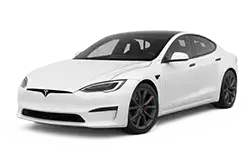
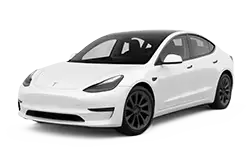
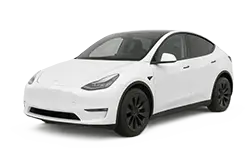
NMC batteries are among the most common battery types in modern EVs. They are used in many mainstream and premium electric vehicles, including versions of the Tesla Model Y, Tesla Model 3, Volkswagen ID.4, and Audi e-tron.
Their biggest strength is energy density. In simple terms, NMC batteries can store a lot of energy in a relatively compact package. That allows manufacturers to build lighter vehicles with strong range figures.
For buyers, that often means better road-trip usability and strong all-around performance.
NMC batteries also tend to handle cold weather better than LFP batteries, which can matter significantly in northern climates.
The tradeoff is cost and long-term wear. NMC batteries usually cost more to manufacture because they use materials such as nickel and cobalt. They also tend to prefer moderate charging habits.
For daily use, many manufacturers recommend keeping the battery around 70% to 80% and only charging to 100% before longer drives.
If you want strong range, balanced performance, and better winter usability, NMC remains an excellent option.
LFP batteries have become one of the fastest-growing battery chemistries in the EV world. They are found in many standard-range models and budget-focused EVs, including some versions of the Tesla Model 3 and many vehicles from BYD.
The reason LFP is growing so quickly is simple: it offers tremendous value.
These batteries are generally less expensive to produce and do not rely on cobalt. They are
also known for excellent cycle life, meaning they can often tolerate many more charge and
discharge cycles over time.
That makes LFP especially attractive for:
Another advantage is charging behavior. Many LFP-equipped vehicles recommend regular charging to 100%, which can simplify ownership compared with some nickel-based batteries.
The main drawback is cold weather performance. In freezing temperatures, LFP batteries can charge slower and lose more range than NMC batteries.
If you live in a warmer climate or mainly use your vehicle for commuting, LFP can be one of the smartest buys on the market.
NCA batteries are another nickel-based chemistry historically associated with high-performance and long-range EV applications.
They helped push early EV development by offering very high energy density and strong power output. That made them valuable for performance-oriented electric vehicles where maximizing range was critical.
Like NMC, NCA batteries can be more expensive than LFP and require sophisticated thermal management systems. But they remain an important part of the EV landscape.
If range and performance are your top priorities, NCA-based vehicles can still be compelling.
Before EVs exploded in popularity, NiMH batteries helped define the hybrid era.
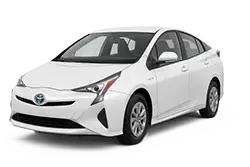
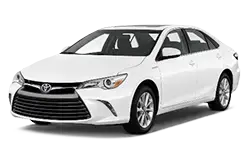
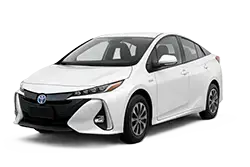
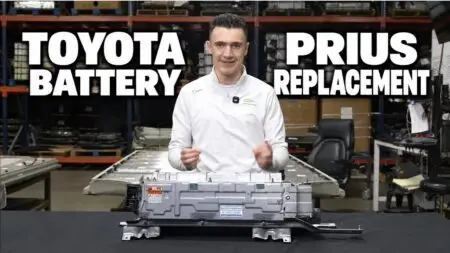
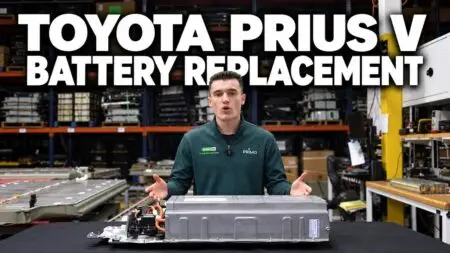
They became famous through vehicles like the Toyota Prius, Toyota Camry Hybrid, and Toyota Sienna Hybrid.
NiMH batteries do not offer the same energy density as modern lithium-ion packs, but that misses the point. Their strength is durability.
Traditional hybrids usually cycle the battery in small charge ranges rather than full deep discharges. NiMH performs extremely well in that environment.
That is why these batteries earned a reputation for reliability over hundreds of thousands of miles.
NiMH also handles temperature swings well, which helps hybrids remain practical in hot summers and cold winters.
If you want proven hybrid dependability, NiMH still deserves serious respect.
Despite EV growth, hybrids continue to make sense for millions of buyers.
Many drivers still want better fuel economy without changing how they refuel or plan road trips. Others live in apartments or areas where charging remains inconvenient.
That is where hybrids shine.
A hybrid can deliver excellent efficiency, reduced fuel costs, and lower emissions without requiring home charging or long charging stops.
For many households, a hybrid is the easiest path to lower operating costs.
That is why automakers continue investing in hybrids even while expanding EV lineups.
Not all hybrids work the same way.
A traditional hybrid charges itself through regenerative braking and engine operation. There is no plug required. It is the simplest hybrid ownership experience.
A plug-in hybrid has a larger battery and charging port. It can drive short distances on electricity alone, then operate like a hybrid once the battery is depleted.
This makes it ideal for buyers with short commutes who still want gasoline backup for road trips.
A mild hybrid uses a small battery system to assist the gasoline engine. It improves efficiency but usually cannot drive on electricity alone.
This is often used to improve fuel economy without major cost increases.
The right answer depends entirely on how you drive.
Choose LFP if you want lower cost ownership, long battery life, and mostly city or commuter use.
Choose NMC or NCA if you prioritize maximum range, frequent highway travel, or better
cold-weather EV performance.
Choose NiMH if you want a reliable hybrid with proven long-term ownership history.
The smartest purchase is not the most expensive battery, it is the battery that fits your life.
If you are shopping used, battery condition matters more than horsepower or wheel size.
Ask these questions:
A great used EV can be an excellent value. A neglected battery can become an expensive problem.
There is no single winner in the battery world.
LFP is reshaping affordable EVs. NMC and NCA continue to power long-range performance vehicles. NiMH remains a trusted solution in hybrids.
Each exists because each solves a different problem.
*Offer cannot be combined with other promotions.
We use cookies and similar technologies to operate the website, understand how it is used, and support advertising. Optional analytics and marketing technologies will not be activated unless you give your consent. You can accept all, reject non-essential technologies, or manage your preferences. You can change your choices at any time.
Global Privacy Control has been detected. Advertising sale/share choices are disabled where configured.