14+ Years In Business
35+ Locations
4,000+ Reviews
Quick Answer
SYMPTOMS:
POSSIBLE CAUSES:
First — Failed inverter electric coolant pump (most common by far):
Second — Air pocket in the inverter cooling system:
Third — Low coolant in the inverter circuit:
Fourth — Coolant leak:
Fifth — Blocked or kinked hose:
Sixth — Electrical issues (fuse, wiring, connector):
Seventh — Faulty inverter temperature sensor:
P0A93 is a generic OBD-II code defined as “Inverter ‘A’ Cooling System Performance.” It’s set by the High Voltage Control Module when it detects that the cooling system serving the primary hybrid inverter is not performing within specification — specifically, that coolant flow or inverter temperature readings indicate inadequate cooling.
What the hybrid inverter does and why it needs cooling: The inverter is the component that converts the high-voltage DC power stored in the hybrid battery into three-phase AC power that the electric motor/generators can use. It also performs the reverse conversion during regenerative braking — converting motor-generated AC back into DC to recharge the battery. This bidirectional conversion process generates significant heat, particularly during sustained acceleration or high-load operation.
The separate cooling circuit, the most critical thing to understand: Unlike almost every other component in a hybrid vehicle, the inverter cooling system is completely independent from the engine cooling system. It has its own dedicated electric coolant pump, its own small radiator or heat exchanger, its own coolant reservoir, and its own coolant — typically Toyota Super Long Life Coolant on Toyota and Lexus models. The engine’s water pump and the inverter’s coolant pump serve entirely different circuits that do not share coolant.
This separation is why P0A93 diagnosis must begin with the inverter cooling reservoir — not the radiator cap. An owner who checks the engine coolant level, finds it full, and concludes “it’s not a coolant issue” has checked the wrong system. The inverter coolant reservoir is a separate, smaller container — on most Toyota hybrids it sits near the inverter assembly itself.
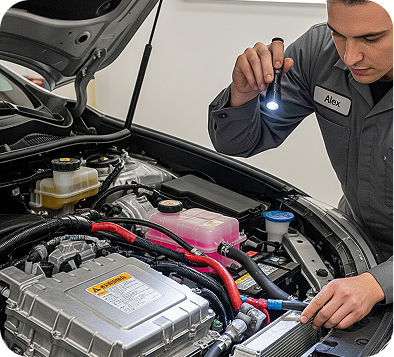
The quick visual check: With the vehicle in READY mode (not just ignition on — the hybrid system must be active), remove the inverter coolant reservoir cap and look directly into the reservoir. If the inverter coolant pump is running properly, you will see visible turbulence or rippling in the coolant surface — the pump circulating fluid creates agitation you can see. A completely still coolant surface while in READY mode means the pump is not circulating coolant, and you’ve identified the likely fault in under 30 seconds.
The Toyota Prius recall history: Toyota issued a recall on the inverter coolant pump for 2004–2007 Prius models following confirmed internal manufacturing defects that caused premature pump failure. This recall, which covered pump replacement at no cost, ended November 30, 2013. Vehicles whose pumps were not replaced under the recall before that date continue to run on the original pump and those pumps are now reaching end of life in significant numbers on high-mileage surviving vehicles.
What happens when P0A93 is ignored: The consequence of allowing an inverter to operate without adequate cooling is not just a P0A93 code — it’s progressive thermal damage. The inverter first enters limp mode, restricting power output to protect itself. If thermal stress continues, it initiates a forced shutdown that can occur while the vehicle is in motion. In severe sustained overheating cases, internal inverter components are permanently damaged, requiring inverter assembly replacement — a repair that costs $1,500–$3,000 or more. The pump that caused the problem costs $100–$300. The inverter it destroys if ignored costs ten times as much.
“Inverter A” vs. “Inverter B”: P0A93 specifically references “Inverter A” the primary traction inverter that manages power conversion for the main electric drive motor/generators. Some hybrid vehicles also have a secondary inverter (“B”), which appears in its own related codes. P0A93 on your scan tool means the primary traction inverter’s cooling circuit is the fault location.
WARNING BOX: P0A93 is rated urgent by RepairPal and should not be driven on. An inverter without cooling can reach damaging temperatures within minutes of high-load operation. If P0A93 is active, avoid sustained acceleration and highway speeds. Drive only the minimum distance necessary to reach a service location and if possible, tow rather than drive.
Step 1 — Full Code Scan We pull all stored codes. P0A93 appearing alone points to the inverter cooling circuit. P0A93 alongside P0A80 or P30xx battery codes indicates the cooling failure may be part of a broader hybrid system degradation picture.
Step 2 — Inverter Coolant Reservoir Check We check the inverter coolant reservoir level immediately — this is the separate smaller reservoir, not the radiator. Low level confirms coolant loss and is the starting point for leak investigation.
Step 3 — The Visual Pump Test With the vehicle in READY mode, we verify coolant movement in the inverter reservoir. Still coolant = pump not circulating. Visible agitation = pump is flowing. This takes 30 seconds and narrows the diagnosis significantly.
Step 4 — Pump Operation Test We use a scan tool to command the inverter coolant pump on directly and monitor pump RPM feedback. A pump that shows zero RPM when commanded on has either failed internally or is not receiving power. We check the pump fuse and connector before condemning the pump itself.
Step 5 — Leak Inspection We inspect all inverter cooling hoses, the heat exchanger, and hose fittings for signs of coolant — both active weeping and dried coolant residue indicating historical leaks.
Step 6 — System Bleeding Assessment If the pump has recently been replaced and P0A93 has returned, the most likely cause is an improperly bled system. We verify coolant flow after any pump replacement with the system bleeding procedure per Toyota OEM specifications.
Step 7 — Inverter Temperature Assessment If all cooling components check out, we assess whether the inverter temperature sensor is generating false readings or whether the inverter itself has sustained thermal damage from operating without cooling.
Step 8 — Honest Recommendation In most P0A93 cases: pump replacement and proper system bleeding resolves the code completely. We’ll tell you if coolant top-up or leak repair is also needed, and whether the inverter shows signs of thermal damage that affects its function.
P0A93 appears on all hybrid vehicles using liquid-cooled inverters — which includes the majority of modern Toyota, Lexus, and other hybrid platforms:
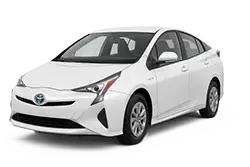
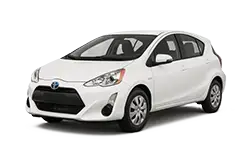
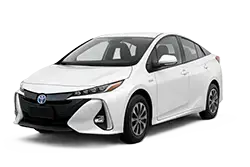
Toyota and Lexus (most commonly documented):
Other hybrid platforms with liquid-cooled inverters:
Note: Air-cooled inverter systems do not use a liquid cooling circuit and will not generate P0A93. P0A93 is specific to platforms using a dedicated electric pump inverter cooling loop.
If it’s the inverter electric coolant pump (most common): Pump parts: $100–$300 OEM or equivalent. Labor including bleeding: $150–$250. Total typical range: $250–$550. This is the most common P0A93 repair and one of the most cost-effective hybrid system repairs.
If it’s a coolant top-up and air bleeding only: $50–$150 for coolant and bleeding procedure.
If it’s a coolant leak repair: $100–$400 depending on the location and nature of the leak (hose replacement, fitting repair, or heat exchanger).
If the inverter has sustained thermal damage from prolonged operation without cooling: Inverter assembly repair or replacement: $1,500–$3,000+ depending on vehicle and whether repair or full replacement is appropriate. This is the consequence of ignoring P0A93 — the $300 pump repair versus the $2,000+ inverter repair it prevents.
Q: What does P0A93 mean? A: P0A93 means “Inverter ‘A’ Cooling System Performance.” The High Voltage Control Module has detected that the hybrid inverter’s dedicated cooling system is underperforming — insufficient coolant flow or abnormal inverter temperatures. The inverter has its own completely separate cooling circuit from the engine, with its own pump, reservoir, and coolant.
Q: Is P0A93 related to the engine coolant? A: No, they are completely independent systems. The inverter cooling circuit is separate from the engine cooling circuit, with its own electric pump, reservoir, and coolant. The engine radiator coolant level being fine does not indicate the inverter cooling system is fine. Always check the inverter coolant reservoir specifically — not the radiator.
Q: How do I know if the inverter pump is working? A: With the vehicle in READY mode (hybrid system active), remove the inverter coolant reservoir cap and look for visible turbulence or rippling in the coolant. A functioning pump will agitate the coolant surface visibly. A completely still surface indicates no coolant flow.
Q: Is there a Toyota recall for P0A93? A: Yes, Toyota recalled the inverter coolant pump on 2004–2007 Prius models due to manufacturing defects causing premature pump failure. This recall ended November 30, 2013. If your 2004–2007 Prius did not have the pump replaced under this recall before that date, the original pump is still installed and is a prime suspect for P0A93.
Q: I just replaced the inverter pump and P0A93 came back, why? A: The most common cause of P0A93 returning after a pump replacement is an improperly bled cooling system. Air pockets in the inverter cooling circuit prevent coolant circulation even with a functioning pump. The inverter sees insufficient cooling and the code resets. The OEM bleeding procedure must be followed precisely after any pump replacement to purge all air from the system.
Q: Can I drive with P0A93? A: Not recommended beyond the minimum distance to reach a service location. Without adequate cooling, the inverter overheats rapidly under any meaningful load. The system may shut down while driving. More critically, sustained inverter overheating can permanently damage the inverter, turning a $300 pump fix into a $2,000+ inverter replacement.
Q: What happens if I ignore P0A93? A: Progressive inverter thermal damage. The hybrid system first limits power to protect the inverter. If cooling remains inadequate, the system initiates a forced shutdown. In severe cases, internal inverter components are permanently degraded or destroyed, requiring inverter assembly replacement. The pump that caused the failure costs $100–$300. The inverter it damages costs ten times that.
Q: Does P0A93 mean I need a new battery? A: No, P0A93 is a cooling system code for the inverter, not a battery code. The HV battery pack is a separate component with its own codes (P0A80, P30xx series, etc.). However, an inverter that has sustained thermal damage can affect the battery system’s ability to operate properly. If P0A93 appears alongside battery codes, a full system assessment is warranted.
Free diagnostic. Same-day mobile install available. Unlimited mileage warranty included.
|
4,000+ Reviews
*Offer cannot be combined with other promotions.
We use cookies and similar technologies to operate the website, understand how it is used, and support advertising. Optional analytics and marketing technologies will not be activated unless you give your consent. You can accept all, reject non-essential technologies, or manage your preferences. You can change your choices at any time.
Global Privacy Control has been detected. Advertising sale/share choices are disabled where configured.